Future of Texting Language: Trends Shaping Digital Communication
The future of texting language is less about a single, unified language and more about a dynamic, highly contextual, and increasingly multimodal ecosystem of communication. We’re seeing a push towards greater efficiency, personalization, and integration of various media types, driven by technological advancements and evolving user needs. Forget the idea of a fixed dictionary for digital speech; instead, anticipate a fluid landscape where meaning is co-created through text, visuals, audio, and even haptics, all tailored to specific platforms and relationships.
The Rise of Visual and Auditory Dominance
While text remains foundational, our screens are becoming vibrant canvases where words often play a supporting role. The efficiency of conveying emotion, nuance, or even complex ideas through a single image or short audio clip is undeniable, and this trend is only accelerating.
Emojis, Stickers, and GIFs: Beyond Mere Embellishment
Remember when emojis were just a cute addition? Now, they often carry the weight of entire sentences or emotions. The future will see even more sophisticated uses. We’re moving from simple emoji replacement to intricate combinations that form a visual language in themselves. Imagine a sequence of emojis conveying a micro-narrative, or a single, highly specific emoji becoming shorthand for a shared inside joke within a group. Stickers, too, are evolving. Beyond static images, we’re seeing animated stickers with increasing customization options, allowing users to inject their personality directly into conversations. These aren’t just decorative; they’re integral communicative units. GIFs have long served as powerful emotional amplifiers and humorous interjections. Their future lies in greater personalization – think AI-generated GIFs based on your preferences or the context of your conversation, or even short, user-created video snippets that function much like GIFs, but with a personal touch. The sheer volume and specificity of visual content available means less reliance on long-form text to convey complex sentiments.
Voice Notes and Video Messaging: The Return of the Human Touch
The convenience of speaking instead of typing is a major draw, especially for longer messages or when conveying tone is crucial. Voice notes offer a quick, personal touch, circumventing the need for careful textual composition. Their future involves better transcription services, allowing recipients to read if they can’t listen, and perhaps even AI-driven summaries of longer voice messages. This blends the best of both worlds – the ease of speaking with the accessibility of text. Video messaging, particularly short-form, asynchronous clips, is becoming increasingly popular. It provides visual cues, facial expressions, and intonation that text simply cannot capture. Think of it as a personal, instant video voicemail. The trend here is towards seamless integration into existing text threads, allowing users to effortlessly switch between text, audio, and video as the communication demands. Augmented reality (AR) filters and effects are already enhancing video messages, adding another layer of expressive possibility that will only grow more sophisticated.
Haptic Feedback and Sensory Communication
Beyond what we see and hear, touch is emerging as a subtle but powerful communicative channel. Haptic feedback, already present in our devices, will become more nuanced and intentional. Imagine a specific vibration pattern conveying empathy, excitement, or urgency, much like a specific emoji or tone of voice. This isn’t just about notification alerts; it’s about adding an emotional or contextual layer to digital communication that bypasses traditional senses. The integration of haptics with visual and auditory elements could create truly immersive and multi-sensory communication experiences, allowing for a richer, more embodied form of digital interaction. Consider a virtual hug conveyed through a combination of a comforting emoji, a gentle tone in a voice note, and a specific, warm vibration pattern on your device.
The Evolution of Textual Conciseness
Despite the rise of visuals, text isn’t going anywhere. It’s simply adapting. The drive for efficiency means textual communication is becoming even more streamlined, often relying on shared understanding and context.
Acronyms, Abbreviations, and Slang: The Language of Efficiency
The digital world demands speed, and acronyms like “LOL,” “BRB,” and “FOMO” are classic examples of how we compress meaning. This trend will continue, with new acronyms emerging rapidly within specific communities or platforms. The key is context and shared understanding; what’s clear in one group might be gibberish in another. Abbreviations, too, reduce typing effort, and we’re seeing more creative, context-dependent forms. Slang, always a dynamic part of language, finds a fertile ground in digital communication, spreading rapidly and often signifying group identity. The future might see AI suggesting appropriate slang or acronyms based on your communication style and recipient. The boundaries between “standard” language and these digital shortcuts will continue to blur.
Micro-Text and Fragmented Communication
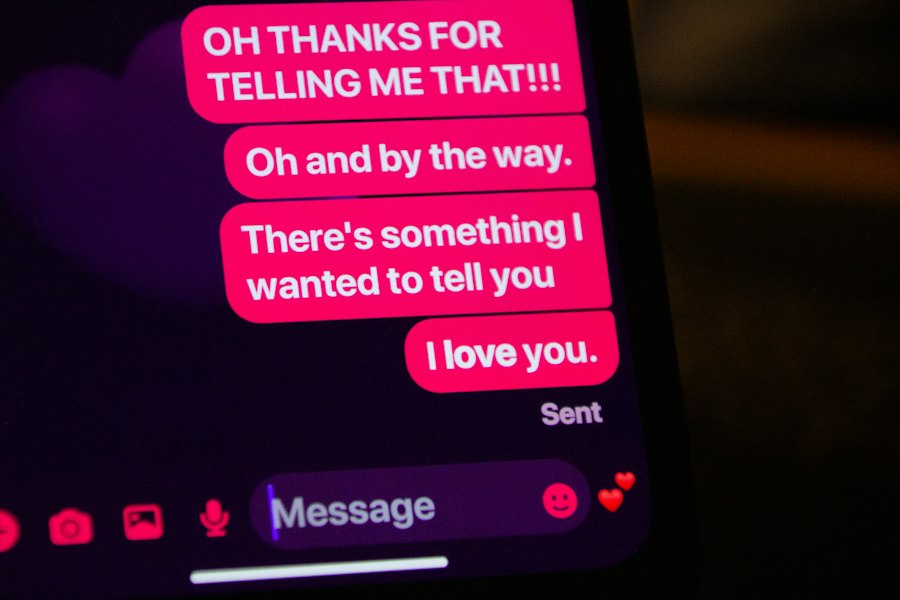
The dominance of short-form content platforms (think Twitter, Threads, TikTok captions) has conditioned us to communicate in snippets. This “micro-text” approach means messages are often broken into smaller, more digestible chunks, even within longer conversations. We’re seeing less emphasis on grammatical perfection and more on conveying the core message quickly. This isn’t necessarily a degradation of language, but rather an adaptation to the rapid-fire nature of digital interactions. Users are adept at piecing together meaning from these fragments, filling in the gaps with shared context and understanding. Expect to see more creative uses of punctuation and spacing to convey nuance in these micro-texts, as traditional sentence structures become less common.
AI-Assisted Text Generation and Prediction
Predictive text and auto-correct are just the beginning. AI is increasingly helping us craft messages, suggesting not just words, but entire phrases or even tones. This could range from simple auto-completion of common greetings to generating full responses based on the context of the conversation. The future will see AI learning individual communication styles, offering suggestions that sound authentically you. This can save time, reduce typing errors, and even help articulate thoughts more clearly, especially for those who struggle with written expression. The ethical implications around authenticity and potential over-reliance on AI are certainly topics to consider as this technology becomes more prevalent. However, from a practical standpoint, it significantly enhances the efficiency of textual communication.
Platform-Specific Dialects and Contextual Shifts
Digital communication is far from monolithic. Each platform cultivates its own unique linguistic norms, influencing how we phrase, format, and even punctuate our messages. The future will see this divergence intensify.
The Nuances of Instagram Captions vs. LinkedIn Messages
Consider the stark differences: an Instagram caption thrives on brevity, evocative emojis, relevant hashtags, and often a playful or aspirational tone. A LinkedIn message, conversely, demands professionalism, clarity, and a more formal structure, even if it’s still conversational. These aren’t just stylistic preferences; they are platform-enforced conventions that shape how we communicate. The future will bring even more specialized platforms, each with its own “dialect.” Users will become increasingly adept at code-switching between these digital environments, seamlessly adjusting their communication style to fit the platform’s established norms. This cognitive flexibility is a defining characteristic of modern digital literacy.
Group Chats vs. One-on-One Conversations
The dynamic of a group chat fosters a different kind of language. It’s often more informal, rapid-fire, and relies heavily on shared inside jokes, memes, and rapid-response formats. Emojis and reactions are crucial for conveying engagement without interrupting the flow of conversation. One-on-one chats, while still informal, often allow for more personal reflection, longer messages, and a deeper exploration of topics. The future might see AI intelligently adapting its suggestions based on whether you’re in a group or individual chat, understanding the different social dynamics at play. We’ll also see more sophisticated tools for managing the signal-to-noise ratio in group chats, perhaps through AI-powered summarization or topic filtering.
Ephemeral Messaging and Self-Destructing Content
Platforms like Snapchat have normalized the idea of messages that disappear after a short time. This ephemeral nature influences communication in profound ways. It encourages spontaneity, reduces the pressure of perfect composition, and fosters a sense of immediacy and privacy. The language used in ephemeral messages tends to be even more informal, often relying on visuals and quick, unpolished thoughts. The future might see this concept integrated into more mainstream communication, with users having greater control over the lifespan of their messages across various platforms. This shift emphasizes the present moment of communication rather than archiving it for posterity, changing our relationship with digital permanence.
Interactivity and Immersive Experiences
Texting is no longer a static exchange. It’s becoming a dynamic, interactive experience, blurring the lines between communication and interaction.
Interactive Elements within Messages
Beyond sending a static link, imagine interacting directly within a message thread. Polls, embedded mini-games, collaborative documents, or even direct control of smart home devices could all become integrated into our texting experience. This moves beyond simply sharing information to actively doing things together within the conversation. The future will see messages become portals to immediate action and shared experiences, rather than just reflections of them. This makes communication more functional and reduces the need to switch between apps for related tasks. For example, instead of sending a link to a poll, the poll itself is interactive within the message.
Augmented and Virtual Reality Integration
The true potential for immersive communication lies in AR and VR. Imagine having a text conversation where the messages appear as floating holograms in your living room via AR glasses, or where you can step into a virtual space to discuss a document with colleagues. This moves communication from a flat screen to a spatial, three-dimensional environment. While still in its nascent stages, the integration of AR and VR promises to transform texting from a purely textual or visual exchange into a shared, embodied experience. This could involve avatars that dynamically react to the tone of your text, or even shared virtual objects that can be manipulated and discussed in real-time within the messaging interface. This adds a layer of presence and co-creation that is currently impossible with traditional texting.
Gamification of Communication
Elements of gamification, like streaks, badges, or points for engagement, are already present in some messaging apps. The future could see more sophisticated integration of game-like mechanics to encourage interaction, learning, or even problem-solving within communication channels. This could range from collaborative storytelling games played through text to more practical applications like learning a new language through interactive chatbot challenges. The goal is to make communication more engaging and rewarding, fostering a stronger sense of community and participation. This taps into our innate desire for challenge and achievement, turning everyday communication into a more stimulating experience.
The Influence of AI and Machine Learning
Artificial intelligence isn’t just a tool; it’s becoming an active participant and shaper of our digital conversations, optimizing, personalizing, and even moderating our language.
Contextual Understanding and Sentiment Analysis
AI is getting remarkably good at understanding the meaning behind our words, not just the words themselves. Sentiment analysis can detect emotion, urgency, or sarcasm, which can then be used to tailor responses, prioritize messages, or even suggest a different tone. The future will see AI providing real-time feedback on the potential impact of your message before you send it, helping to avoid misunderstandings or unintended offense. This deeper contextual understanding moves beyond simple keyword matching to grasping the nuances of human communication.
Language Translation and Cross-Cultural Communication
One of the most transformative impacts of AI is breaking down language barriers. Real-time translation services are becoming increasingly sophisticated, allowing people from different linguistic backgrounds to communicate seamlessly through text, voice, and even video. The future will see this technology integrated so deeply into our messaging platforms that cross-cultural communication feels as natural as talking to someone in your native language. This not only fosters global connection but also potentially influences the evolution of a more universal “digital lingua franca” based on shared understanding facilitated by AI. This removes a significant friction point in global interaction.
Adaptive Communication Styles and Personalization
AI will learn your unique communication patterns – your preferred emojis, your typical tone, your sentence structure – and adapt its suggestions to match your personal style. This personalization extends beyond simple predictive text; it’s about generating responses that sound authentically you. This can be incredibly helpful for maintaining your voice across different platforms or when you’re short on time. It also means that messaging platforms can adapt their interfaces and features to better suit individual communicative preferences, creating a truly bespoke digital communication experience. This means the future of texting language is not just universal, but also deeply individual.